
Hepatitis B is a type of viral hepatitis. It can cause an acute (short-term) or chronic (long-term) infection. People with an acute infection usually get better on their own without treatment. Some people with chronic hepatitis B will need treatment.
Hepatitis B is caused by the hepatitis B virus. The virus spreads through contact with blood, semen, or other body fluids from a person who has the virus.
Anyone can get hepatitis B, but the risk is higher in:
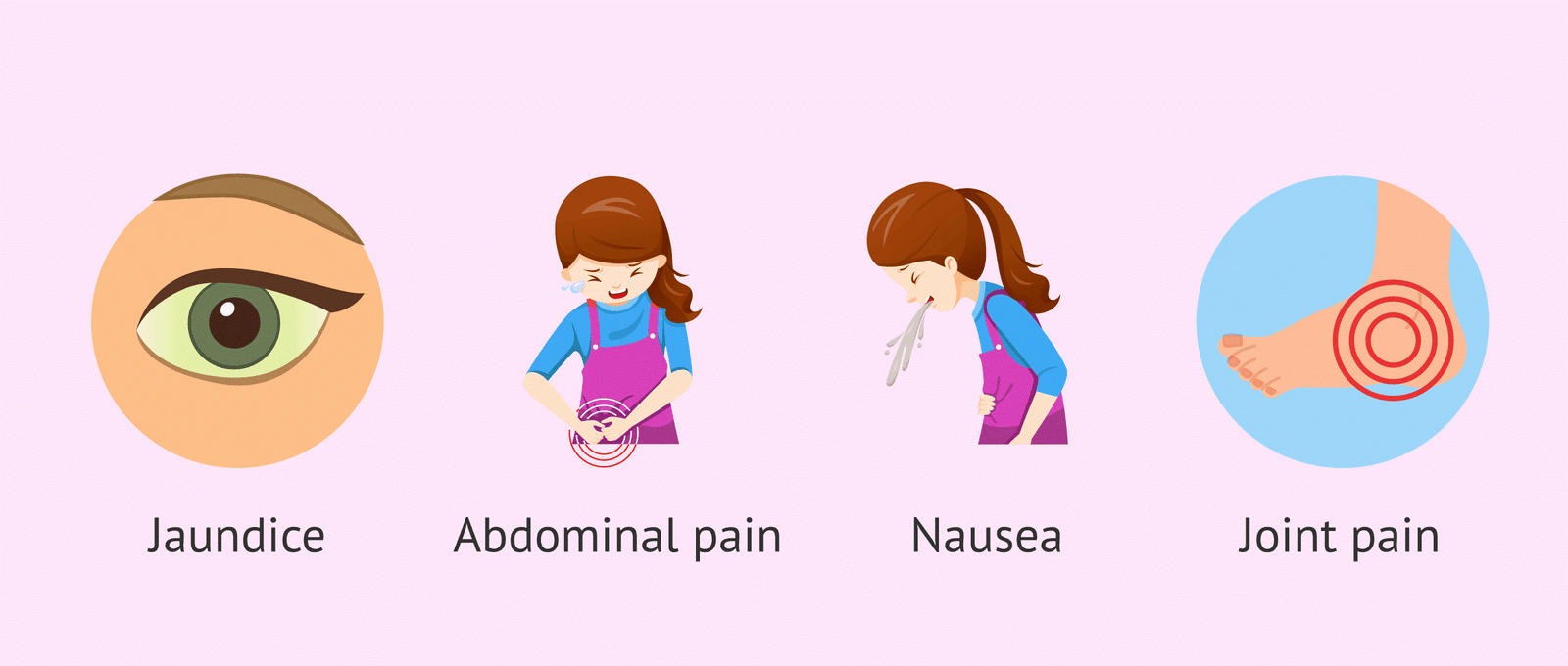
Often, people with hepatitis B don't have symptoms. Adults and children over 5 are more likely to have symptoms than younger children.
Some people with acute hepatitis B have symptoms 2 to 5 months after infection. These can include:
If you have chronic hepatitis B, you may not have symptoms until complications develop. For this reason, hepatitis B screening is important, even if you have no symptoms.
To diagnose hepatitis B, your health care provider may use many tools:
In rare cases, acute hepatitis B can cause liver failure.
Chronic hepatitis B can develop into a serious disease that causes long-term health problems such as:
If you have ever had hepatitis B, the virus may become active again (reactivated) later in life, damaging the liver.
If you have acute hepatitis B, you probably don't need treatment. Some people with chronic hepatitis B don't need treatment. However, if blood tests show the virus is damaging your liver, you may need to take antiviral medicines.
The best way to prevent hepatitis B is to get the hepatitis B vaccine. Usually, the doses are given at 0, 1, and 6 months.
You can also reduce your chance of infection by:

If you think you have been in contact with the virus, see a provider right away. You may need a dose of the vaccine or Hepatitis B Immune Globulin (HBIG). For best results, these should be administered within 24 hours of exposure.