What is hepatitis?
Hepatitis is inflammation of the liver. Inflammation is swelling that happens when tissues of the body are injured or infected. It can damage your liver. This swelling and damage can affect how well your liver functions.
What is hepatitis C?
Hepatitis C, is caused by the hepatitis C virus (HCV). Hepatitis C can range from a mild illness lasting a few weeks to a serious, lifelong illness. Hepatitis C can be acute or chronic:
- Acute hepatitis C: A short-term infection. The symptoms can last up to 6 months. Sometimes your body is able to fight off the infection and the virus goes away. But for most people, an acute infection leads to chronic infection.
- Chronic hepatitis C: A long-lasting infection. If it is not treated, it can last for a lifetime and cause serious health problems, including liver damage, cirrhosis (scarring of the liver), liver cancer, and even death.
How does hepatitis C spread?
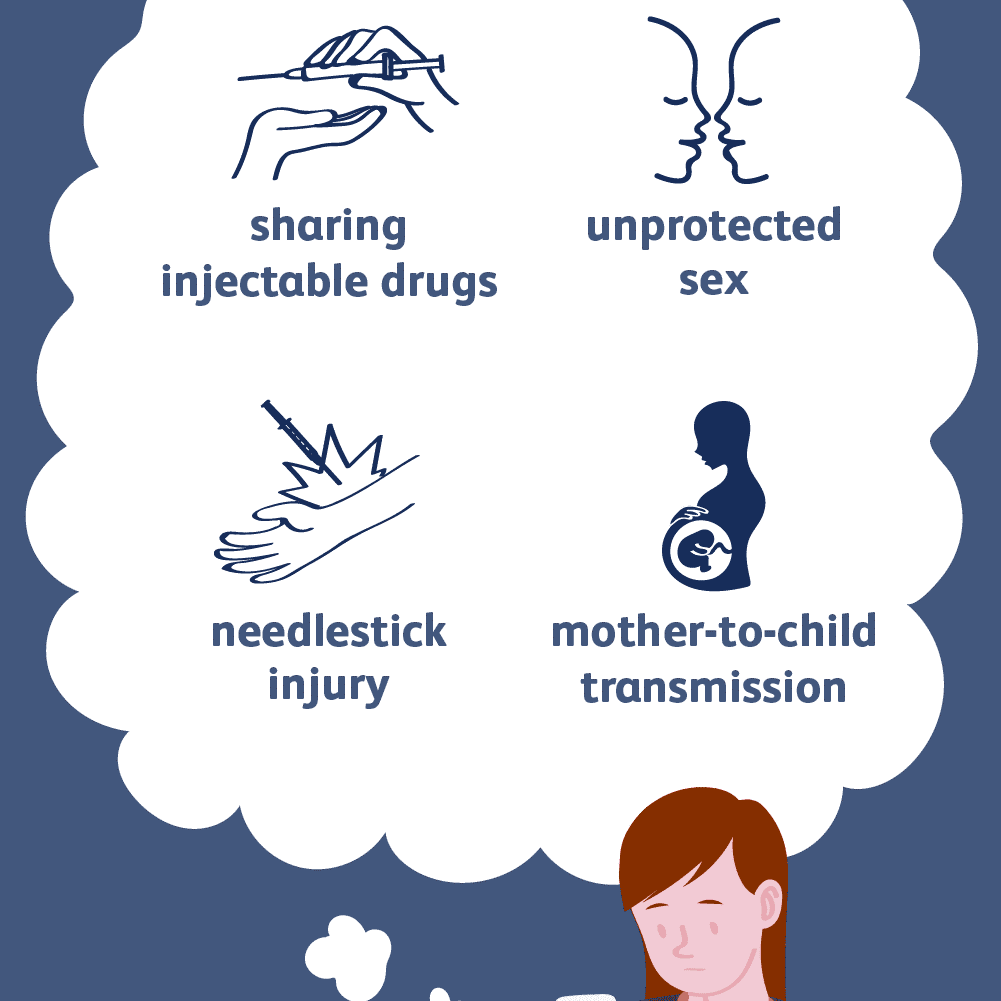
Hepatitis C spreads through contact with the blood of someone who has HCV. This contact may be through:
- Sharing drug needles or drug materials
- Accidental needle sticks in health care settings
- Tattooing or piercing with non-sterilized tools
- Contact with blood or open sores of someone with HCV
- Sharing razors or toothbrushes
- Being born to a mother with HCV
- Having unprotected sex with someone who has HCV
What are the symptoms of hepatitis C?
Most people with hepatitis C have no symptoms. Some people with acute hepatitis C do have symptoms within 1 to 3 months after exposure. These may include:
- Dark yellow urine
- Fatigue
- Fever
- Gray- or clay-colored stools
- Joint pain
- Loss of appetite
- Nausea and/or vomiting
- Pain in your abdomen (belly)
- Jaundice (yellowish eyes and skin)
Chronic hepatitis C symptoms may not appear until complications develop, often decades later. For this reason, screening is important even if you have no symptoms.
What other problems can hepatitis C cause?
Without treatment, hepatitis C may lead to cirrhosis, liver failure, and liver cancer. Early diagnosis and treatment can prevent these complications.
How is hepatitis C diagnosed?
Providers diagnose hepatitis C based on your medical history, a physical exam, and blood tests. If you have hepatitis C, you may need additional tests like an ultrasound or HCV viral load to check for liver damage.
What is the treatment for hepatitis C?
- Treatment is with antiviral medicines. They can cure the disease in most cases.
- For acute cases, providers may wait to see if the infection becomes chronic before starting treatment.
- If cirrhosis, liver failure, or liver cancer develops, you may require surgery, specialized medical procedures, or a liver transplant.
Can hepatitis C be prevented?
There is no vaccine for hepatitis C. But you can help protect yourself by:
- Not sharing drug needles or other drug materials.
- Wearing gloves if you touch another person's blood or sores.
- Ensuring tattoo artists or body piercers use sterile tools and unopened ink.
- Not sharing personal items such toothbrushes, razors, or nail clippers.
- Using a condom during sex.