Consult a Hepatologist if you have these symptoms…
- Pain abdomen
- Loss of appetite.
- Feeling weak or tired.
- Nausea.
- Itchy skin.
- Swelling (edema) in your legs, feet and ankles.
- Fluid buildup in your belly (ascites).
- Brownish or orange color to your urine.
- Light-colored stools.
- Confusion, difficulty thinking, memory loss
- Blood in your stool.
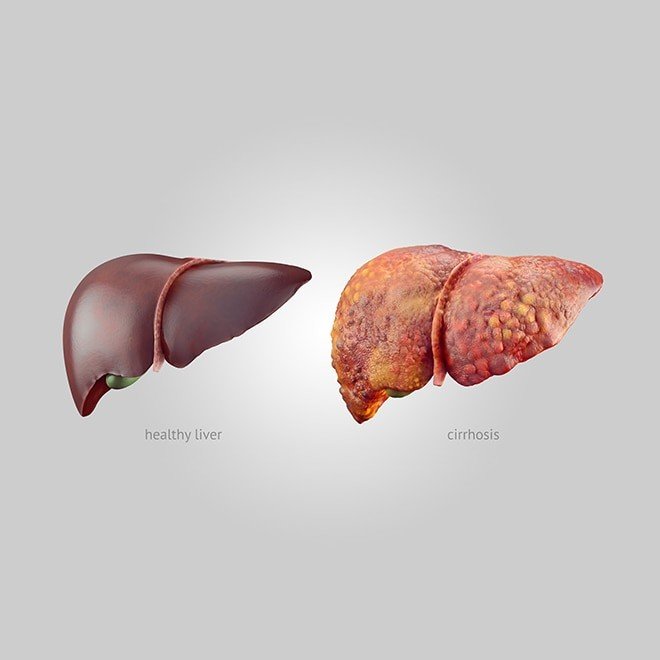
Is Cirrhosis curable?
No. Cirrhosis cannot usually be cured, but there are ways to manage the symptoms and any complications, and stop the condition getting worse. The treatment for cirrhosis depends on what has caused it.
Actions to be taken to avoid Worsening of Cirrhosis…
- Stop drinking alcohol.
- Treat chronic hepatitis (if you have it).
- Avoid medications that stress the liver.
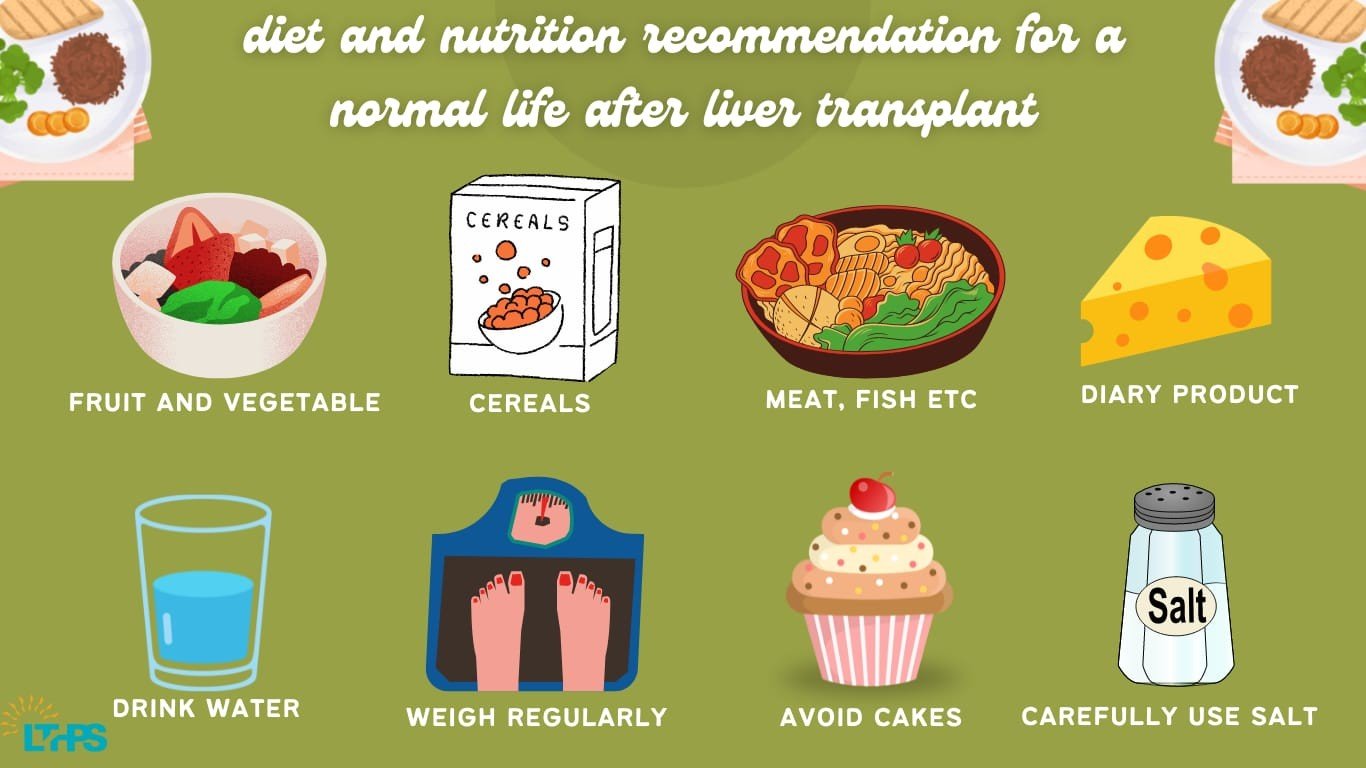
- Eat a healthy, well-balanced, low-fat diet.
- Adhere to medications advised by the doctor.
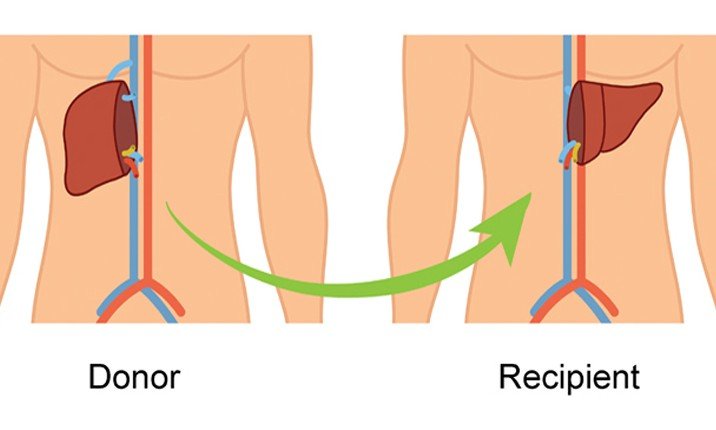
- Liver Transplant.
Types of Liver Transplant
Depending on the patient's condition and donor availability, different types of transplants may be performed.
Post Liver Transplant, All you need to know….
After your liver transplant, you can expect to:
- Possibly stay in the intensive care unit for a few days.
- Spend 5 to 10 days in the hospital (vary according to health condition).
- Have frequent checkups as you continue recovering at home.
- Take medications for the rest of your life: Drugs called immunosuppressants help keep your immune system from attacking your new liver.
Expect six months or more of recovery time before you'll feel fully healed. You may be able to resume normal activities or go back to work a few months after surgery.